Wildflower Guide

Meet the Flowers.

Every seed pack is filled with hand-selected wildflower varieties chosen for their beauty, hardiness, and meaning. Here's what you're scattering.

🎖️ Freedom Fields
Red, White & Blue
Patriotic blooms honoring those who served — and the 22 we lose every day.
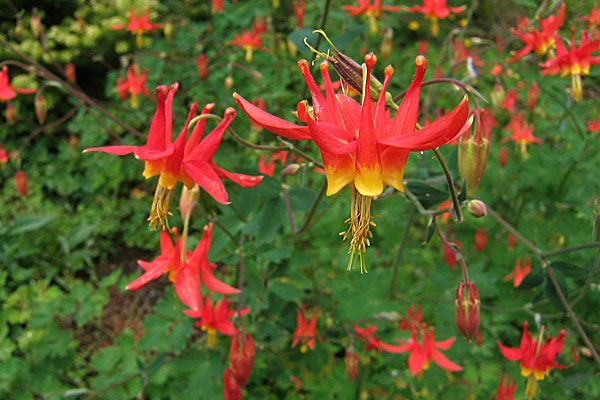
Red Columbine
Red Columbine
Aquilegia canadensis

A stunning native wildflower with red and yellow nodding blooms that hummingbirds can't resist. Found growing wild in rocky woodlands across eastern North America, Red Columbine is tough, beautiful, and a true native — no invasive risk whatsoever.
Perennial Native Pollinator-Friendly
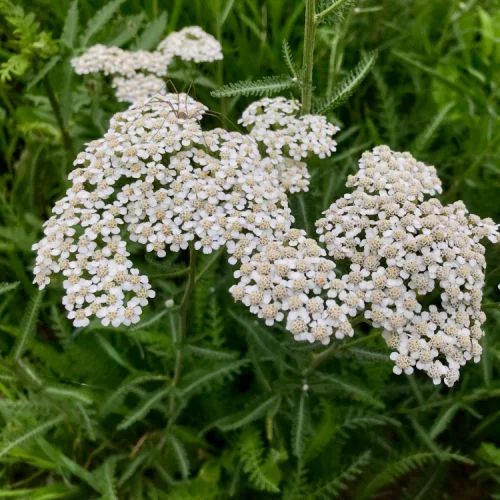
White Yarrow
White Yarrow
Achillea millefolium

Named after Achilles, who legendarily used it to treat soldiers' wounds on the battlefield. Yarrow is one of the toughest wildflowers on Earth — it thrives in poor soil, handles drought, and spreads to form dense clusters of flat-topped white flower heads all summer.
Perennial Medicinal Very Hardy
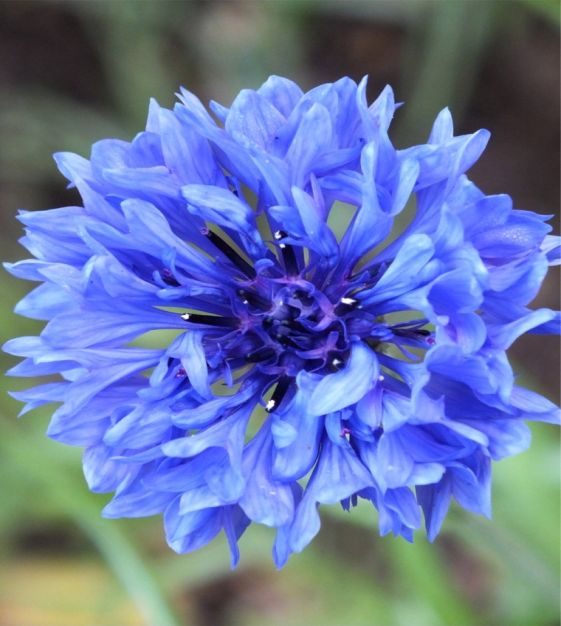
Blue Bachelor's Button
Centaurea cyanus

Also called cornflower, this brilliant blue wildflower was once so common in European grain fields that it became a symbol of loyalty and devotion. Easy to grow and drought-tolerant, it attracts butterflies and bees while adding striking blue color to any meadow.
Annual Drought-Tolerant Pollinator

🌸 Pink Promise
For Every Fighter. For Every Survivor.
A garden of pink blooms for breast cancer awareness and research.
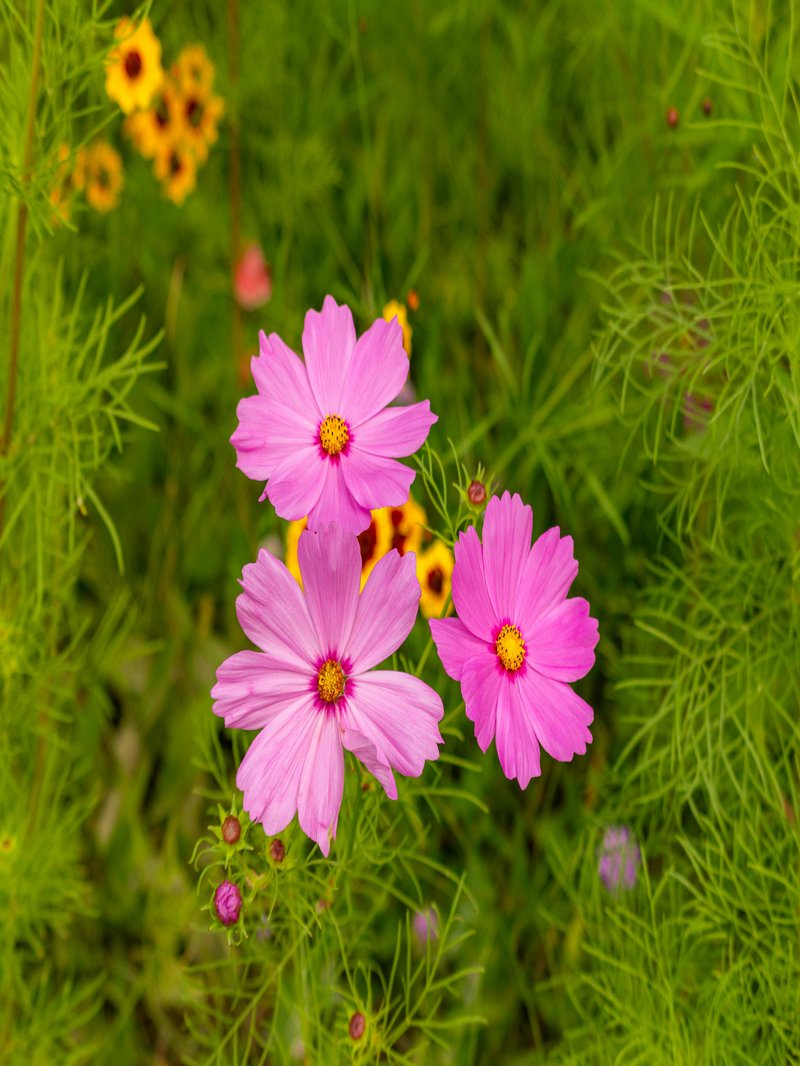
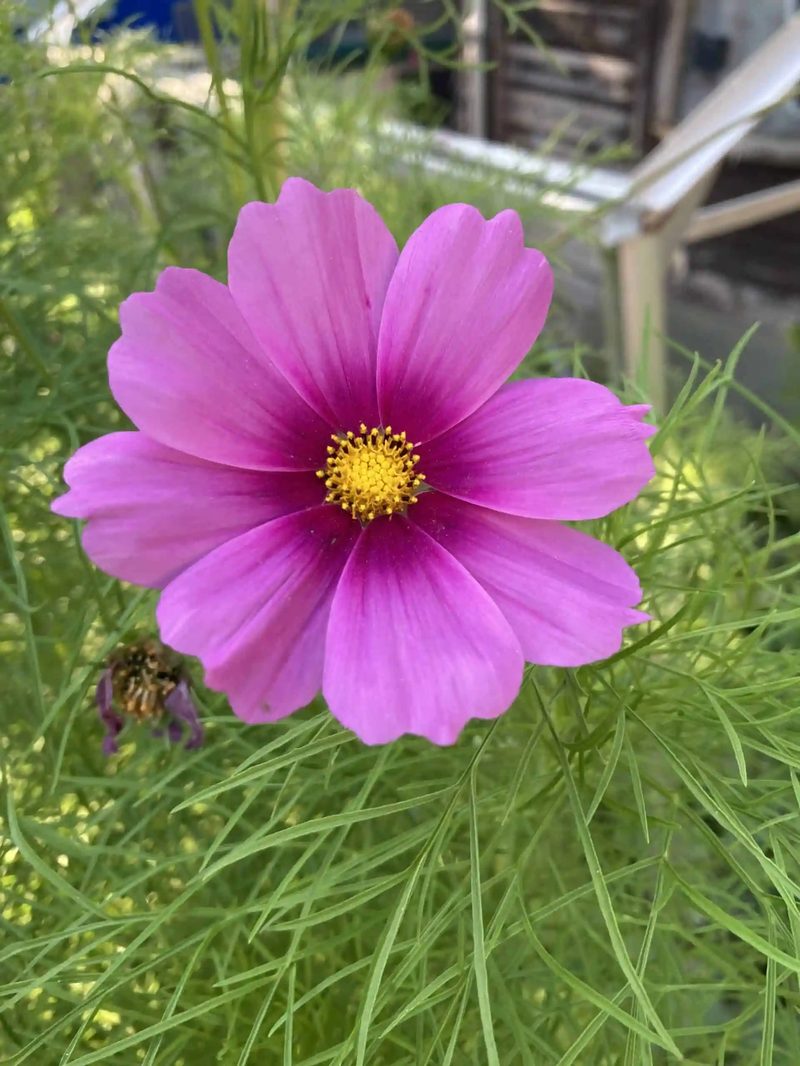
Pink Cosmos
Pink Cosmos
Cosmos bipinnatus

Tall, graceful stems topped with daisy-like pink blooms that dance in the wind. Cosmos are one of the easiest wildflowers to grow — just scatter and forget. They bloom prolifically from midsummer to frost and attract butterflies by the dozen.

Annual Easy to Grow Butterfly Magnet
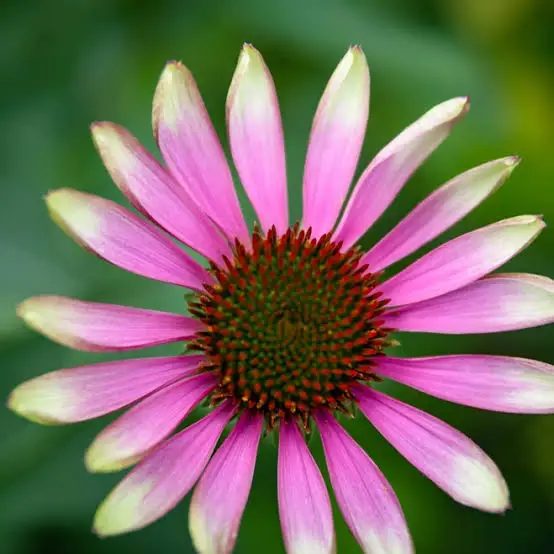
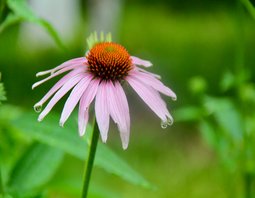
Pink Coneflower
Pink Coneflower
Echinacea purpurea

The classic prairie coneflower with drooping pink-purple petals and a prominent spiky center cone. Native Americans used echinacea for centuries as a medicinal herb. These tough perennials come back stronger every year and are a top-tier pollinator plant.

Perennial Native Medicinal
Dwarf Cosmos
Dwarf Cosmos
Cosmos bipinnatus

A compact version of the classic cosmos, topping out around 1–2 feet tall with delicate pink and white blooms all summer long. Easy to grow, drought-tolerant, and a pollinator favorite. Perfect for borders, containers, or filling in wildflower patches with continuous color.

Annual Compact Pollinator Favorite

🔥 Brooke's Bloom
For Every Warrior in the Blood.
Fiery blooms burning bright for leukemia and blood cancer research.
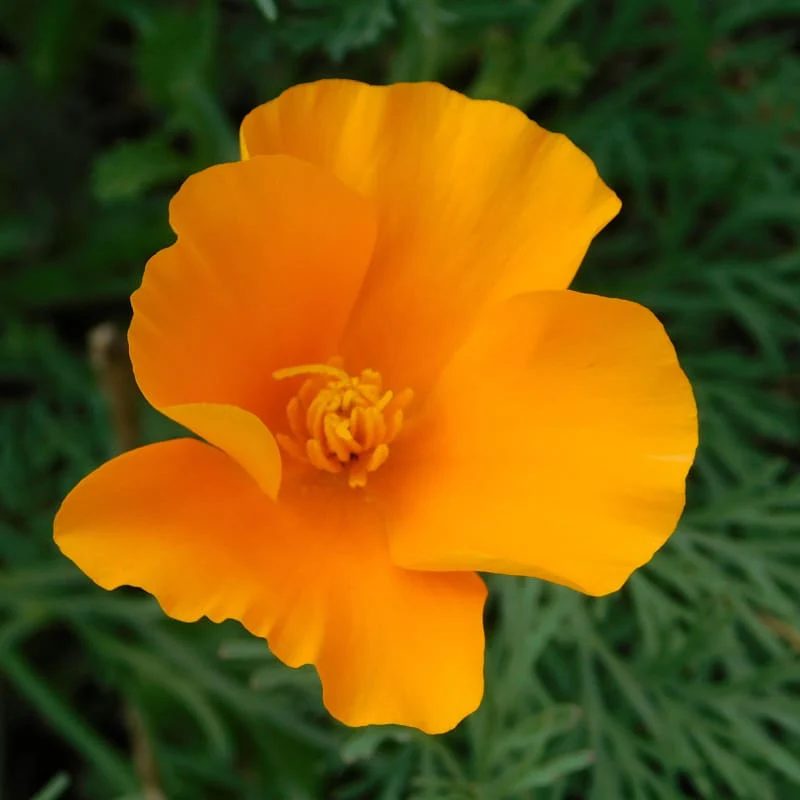
California Poppy
California Poppy
Eschscholzia californica

California's state flower paints entire hillsides in brilliant gold and orange every spring. These silky, cup-shaped blooms close at night and reopen with the sun. Virtually indestructible — they thrive in dry conditions and reseed themselves year after year.

Annual / Short-Lived Perennial Native Self-Seeding
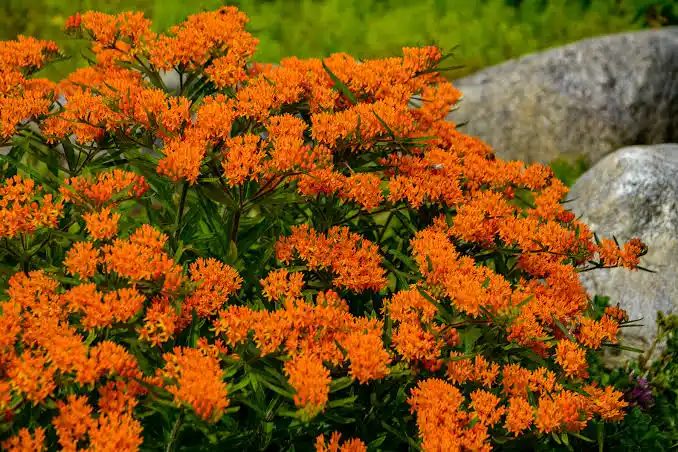
Butterfly Weed
Butterfly Weed
Asclepias tuberosa

Clusters of vivid orange flowers that are essential for monarch butterfly survival — it's one of the only plants monarch caterpillars can eat. This native milkweed variety is a must-have for any pollinator garden. Tough, deep-rooted, and absolutely stunning.

Perennial Monarch Host Native
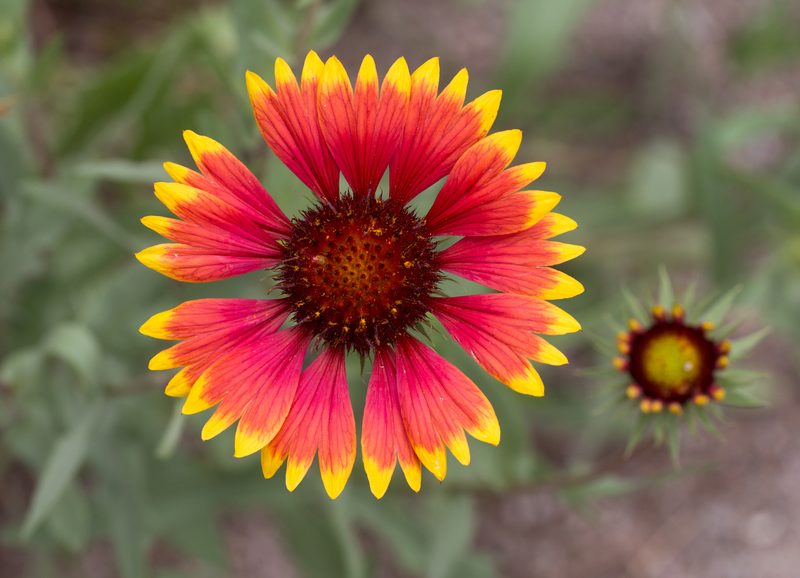
Indian Blanket
Indian Blanket
Gaillardia pulchella

Stunning red-and-yellow pinwheel blooms that look like tiny sunsets. Named for their resemblance to the colorful patterns of Native American textiles. They thrive in hot, dry conditions and bloom nonstop from early summer to fall.

Annual Heat-Loving Drought-Tolerant

💛 Gold Ribbon
For the Littlest Warriors.
Fields of gold for childhood cancer — because they deserve more than 4%.
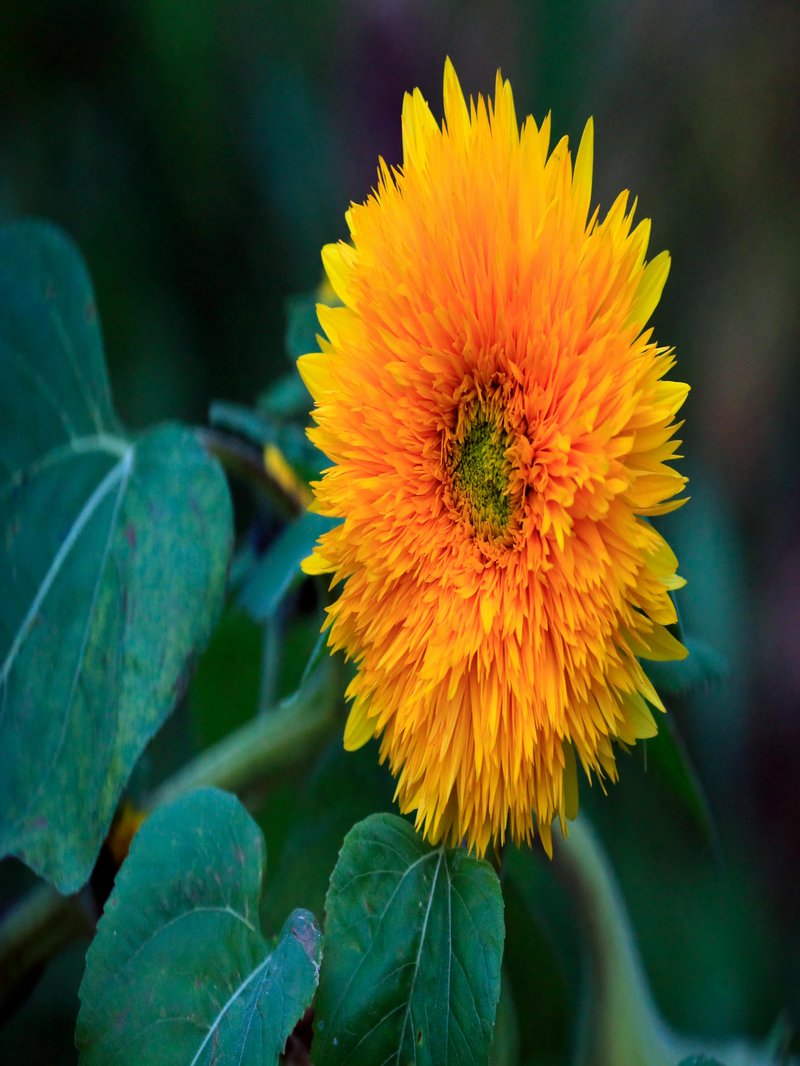
Sungold Sunflower
Sungold Sunflower
Helianthus annuus 'Sungold'

A showstopper with fluffy, fully double golden blooms that look like little pom-poms of sunshine. Grows 4–5 feet tall with multiple flower heads per stem. Easy to grow, loves full sun, and blooms all summer long — a kid-friendly favorite that brings pure joy to any garden.

Annual Double Bloom Kid-Friendly
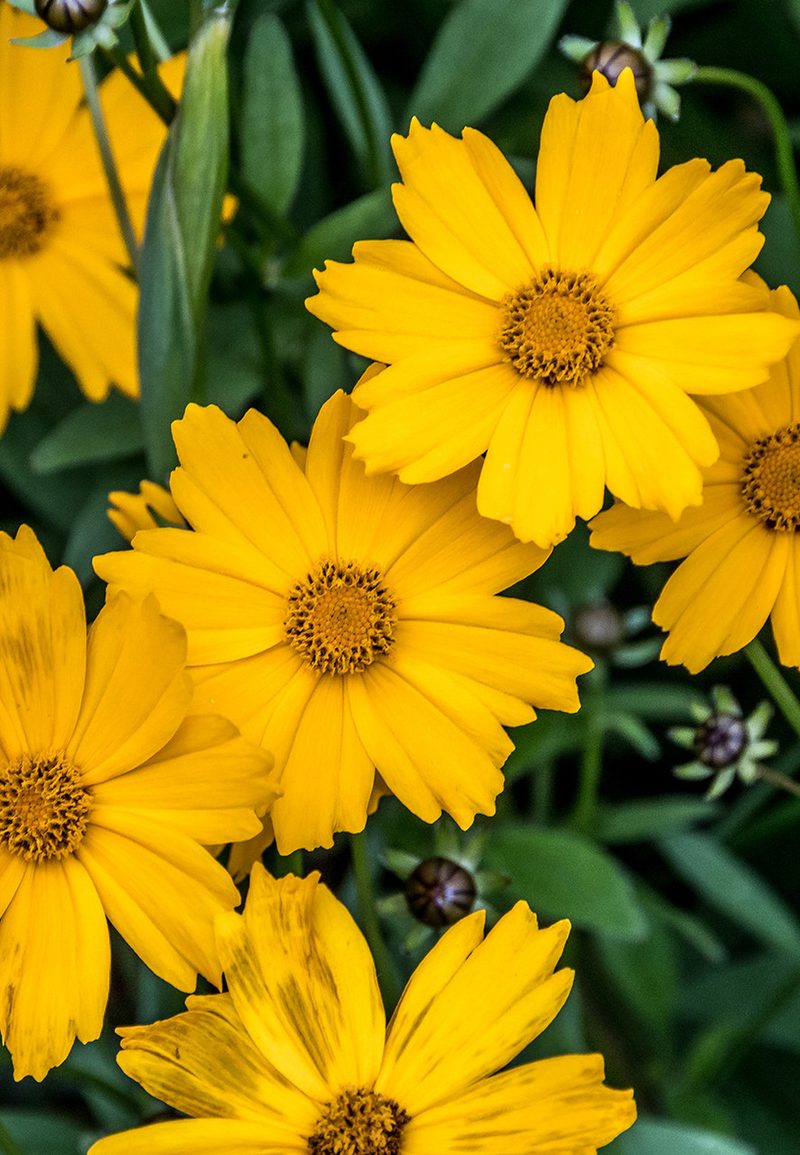
Yellow Coreopsis
Yellow Coreopsis
Coreopsis lanceolata

Bright, sunny yellow daisies that bloom in masses and keep going all summer. Also called tickseed, coreopsis is native to prairies across the United States and is one of the most reliable, low-maintenance wildflowers you can grow.

Perennial Native Low-Maintenance
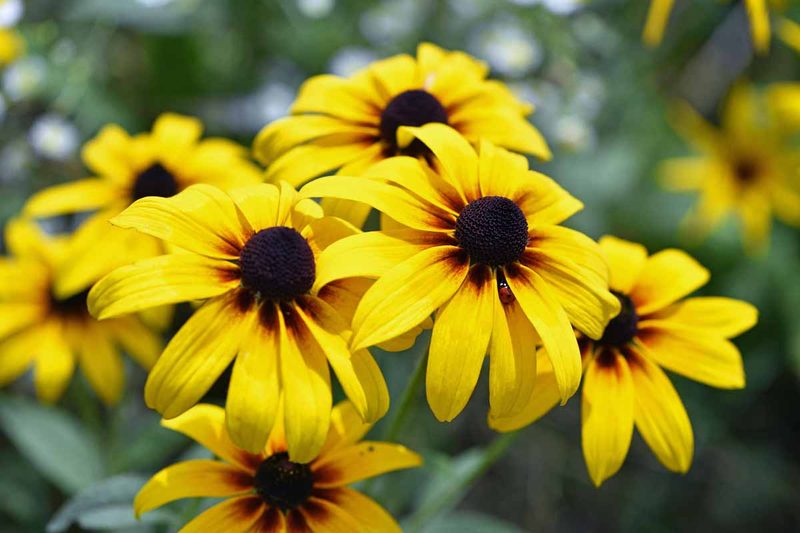
Black-Eyed Susan
Black-Eyed Susan
Rudbeckia hirta

Bright golden-yellow petals surrounding a dark chocolate center — one of America's most recognizable wildflowers. They bloom from midsummer to fall, grow almost anywhere, and are amazing for attracting bees, butterflies, and songbirds.

Biennial / Short-Lived Perennial Native Pollinator

💙 Blue Bloom
Every Mind Blooms Differently.
Cool blue and purple tones for autism awareness and neurodiversity.
Blue Bachelor's Button
Centaurea cyanus

This vivid blue cornflower also appears in Freedom Fields — its brilliant color makes it a natural fit for any blue-themed wildflower mix. Quick to establish and a favorite of bees and butterflies, it adds striking pops of true blue to your meadow.

Annual Drought-Tolerant Pollinator
Purple Coneflower
Purple Coneflower
Echinacea purpurea

The beloved echinacea — a prairie native that returns year after year, growing stronger each season. Its purple tones complement the blue palette perfectly, and its spiky seed heads provide food for goldfinches through the winter months.

Perennial Native Medicinal
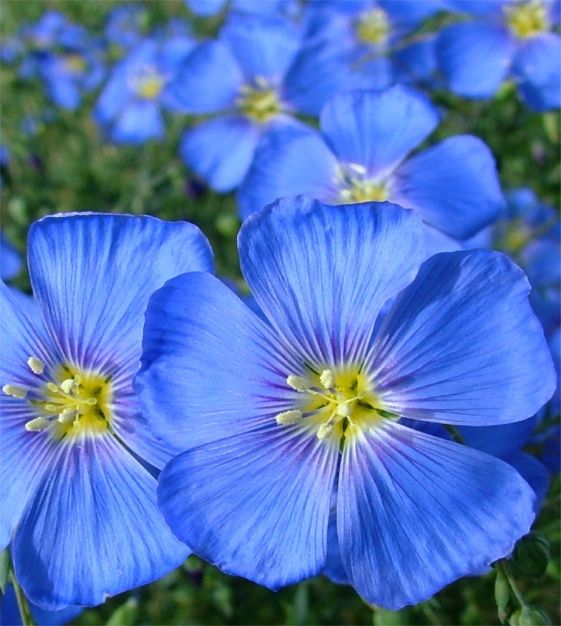
Blue Flax
Blue Flax
Linum lewisii

Delicate sky-blue flowers that dance on slender stems in the morning light. Named after Meriwether Lewis of the Lewis & Clark expedition, this native wildflower is drought-tolerant, pollinator-friendly, and completely non-invasive. New blooms open fresh every single day.

Perennial Native Drought-Tolerant

🌈 Hope & Healing
Every Fight. Every Story. Every Heart.
A rainbow blend of one flower from each pack — because every cause matters.
Red Columbine
Red Columbine
Aquilegia canadensis · from Freedom Fields

Representing veterans and service — a bold native bloom hummingbirds love.

Pink Cosmos
Pink Cosmos
Cosmos bipinnatus · from Pink Promise

Representing breast cancer fighters and survivors — graceful pink blooms.

California Poppy
California Poppy
Eschscholzia californica · from Brooke's Bloom

Representing blood cancer warriors — bright orange and unstoppable.

Black-Eyed Susan
Black-Eyed Susan
Rudbeckia hirta · from Gold Ribbon

Representing the littlest warriors — bright, sturdy, and still blooming long after summer peaks.

🌱

Scatter Only Where Love Can Grow Responsibly

We believe in growing beauty — and doing it the right way.

✓ Plant on your own property — your yard, your garden, your land. That's always the safest and most rewarding place to scatter.

✓ Community spaces with permission — community gardens, church grounds, school gardens, and memorial spaces are beautiful places to plant — just get documented permission from whoever manages the space first.

✓ Know your local guidelines — wildflower planting rules vary by city, county, and state. A quick check with your local government can save a lot of headaches.

✗ Do not scatter along highways, roadway shoulders, medians, or interstate corridors — these are state-owned and regulated by DOT agencies.

✗ Do not scatter in national or state parks, forests, wildlife refuges, conservation lands, wetlands, or near protected waterways.

✗ Do not scatter on any federal, state, or local government property without written authorization from the responsible agency.

All Scatter Project seeds are non-invasive and neonicotinoid-free, and nearly all are native to North America — carefully chosen to support pollinators and protect local ecosystems. We take environmental responsibility seriously, and we ask that you do too.

Ready to scatter?

Every seed pack is filled with these hand-selected varieties. Pick your cause and start planting.

Shop Seed Packs
Not sure which pack? Find yours