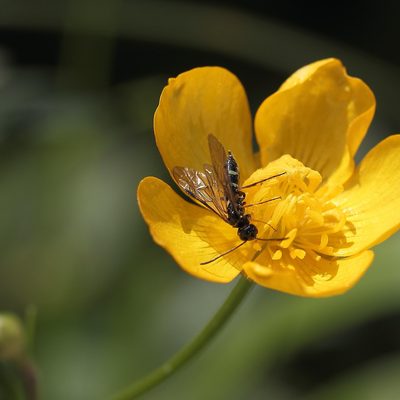
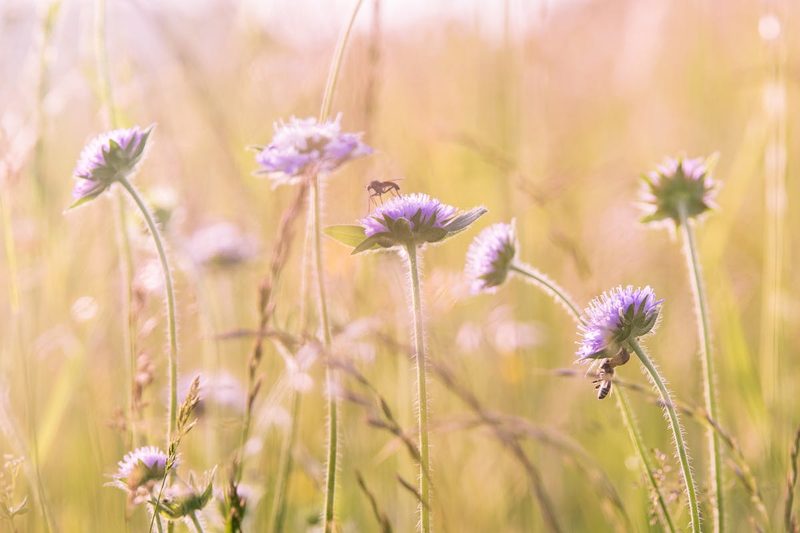
The Earthwatch Institute declared bees the most important living thing on the planet. 75% of the world's flowering plants and 71 of the top 100 food crops depend on them. Without bees, life as we know it doesn't survive.
Watch the bees — they've got facts to share!
There are over 20,000 species of bees worldwide — and they're not all black and yellow. Here are a few of the hardest workers keeping our planet alive.
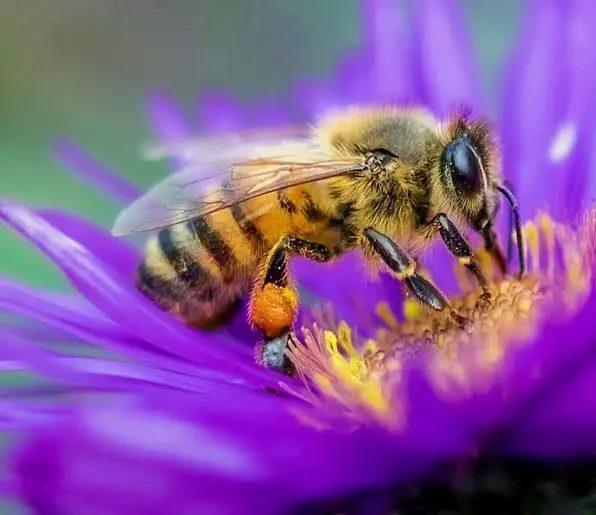
The most well-known pollinator on Earth. Honey bees live in highly organized colonies of up to 60,000 individuals and communicate through complex "waggle dances" to tell each other where the best flowers are. A single colony can pollinate 300 million flowers in a day.
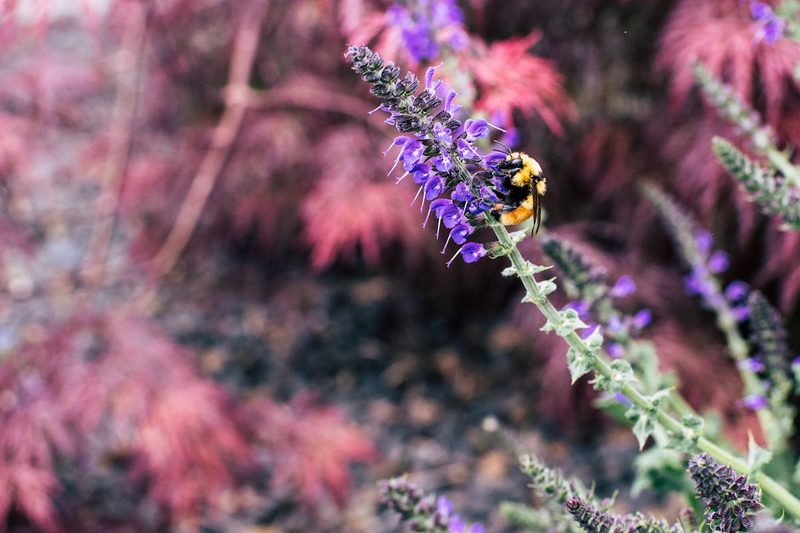
Fuzzy, round, and incredibly powerful pollinators. Bumblebees use "buzz pollination" — they vibrate their flight muscles at just the right frequency to shake pollen loose from flowers that other bees can't access. They fly in cooler temperatures and lower light than most bees, making them essential early-season pollinators.
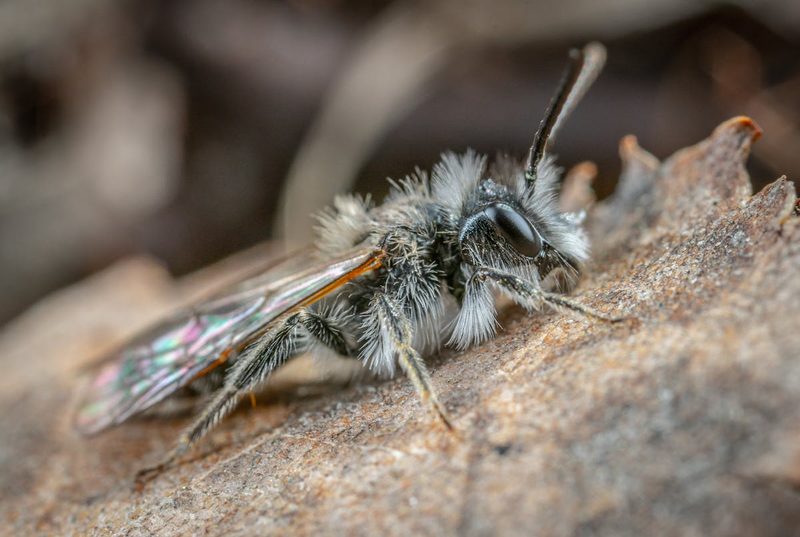
Small, solitary, and astonishingly efficient. Mason bees don't live in hives — each female builds her own nest in hollow tubes or holes, packing each chamber with pollen and mud. They're gentle, rarely sting, and are up to 100 times more effective at pollinating than honey bees because they carry dry pollen all over their fuzzy bellies.
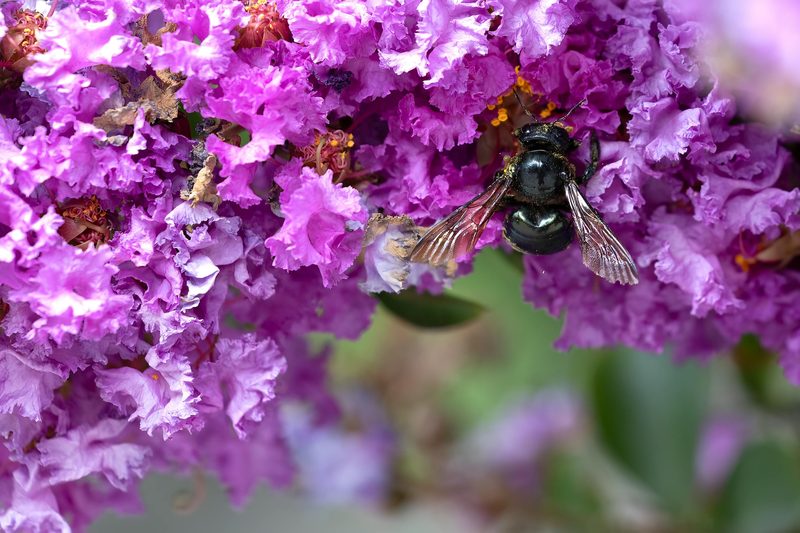
Often mistaken for bumblebees, carpenter bees are larger with a shiny, hairless abdomen. They get their name from boring perfectly round tunnels into wood to lay their eggs. Despite their intimidating size, male carpenter bees can't sting at all, and females rarely do. They're important pollinators of open-faced flowers and wildflowers.
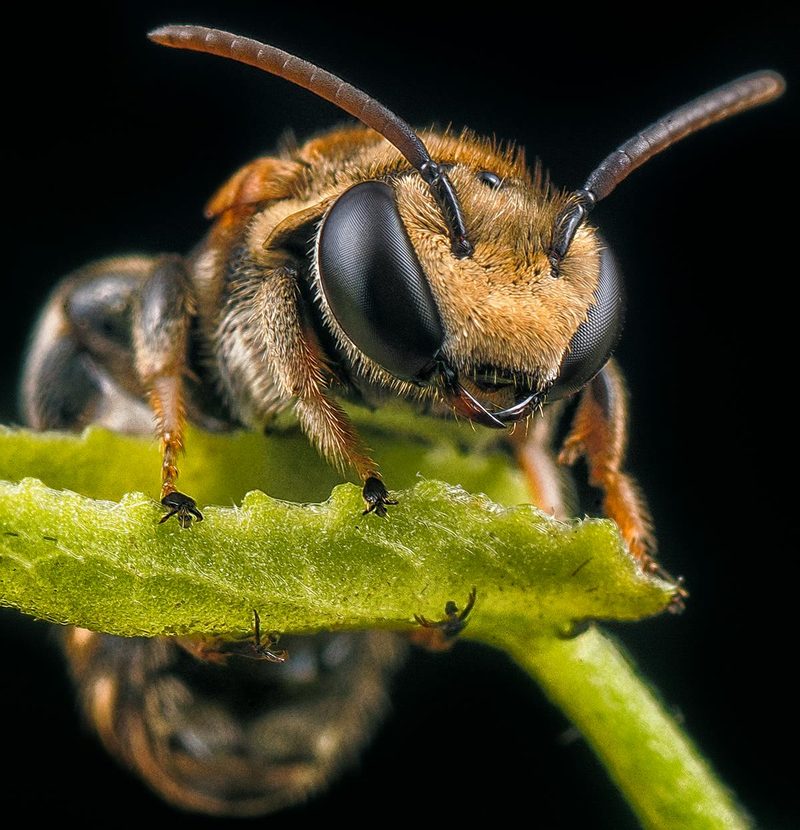
Tiny, often brilliantly metallic green or blue, sweat bees are some of the most beautiful insects you'll find in a garden. Named because they're attracted to the salt in human perspiration, they're gentle and their sting is one of the mildest of any bee. They're generalist pollinators, visiting a huge variety of wildflowers.
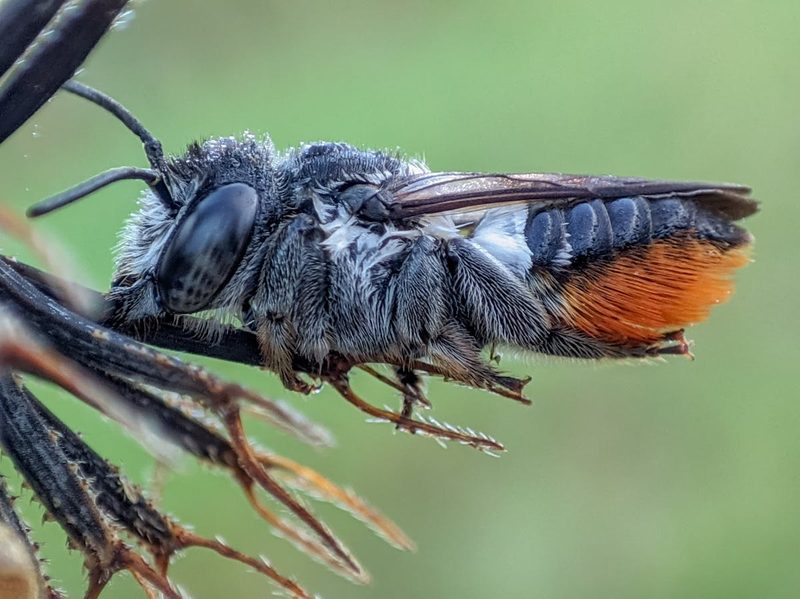
These remarkable solitary bees cut precise circular pieces from leaves and petals to line their nests. Like mason bees, they carry pollen on their bellies rather than their legs, making them messy but incredibly effective pollinators. They're especially important for wildflowers, alfalfa, blueberries, and other crops.
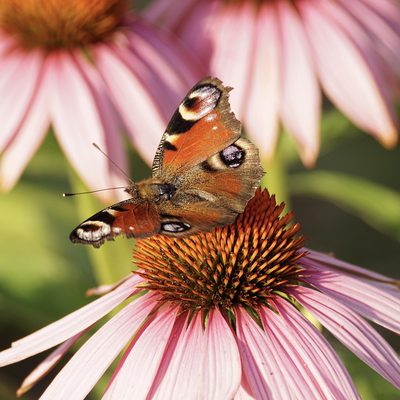
Bees aren't alone in keeping the world blooming. These incredible creatures play a vital role in pollination too.
With their long, straw-like tongues, butterflies reach deep into tubular flowers that most bees can't access. They prefer bright reds, oranges, and purples — and because they need to land on a flower to feed, they pick up pollen on their legs and body. Monarch butterflies alone pollinate thousands of wildflower species during their 3,000-mile migration.
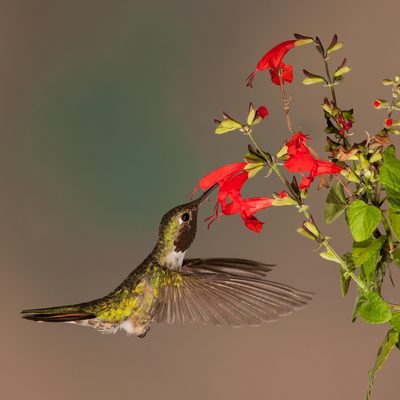
Hovering at 80 wingbeats per second, hummingbirds are one of nature's most acrobatic pollinators. Their long bills are perfectly shaped for trumpet-shaped flowers like honeysuckle, columbine, and bee balm. As they drink nectar, pollen sticks to their foreheads and bills, traveling from flower to flower. A single hummingbird visits up to 2,000 flowers per day.
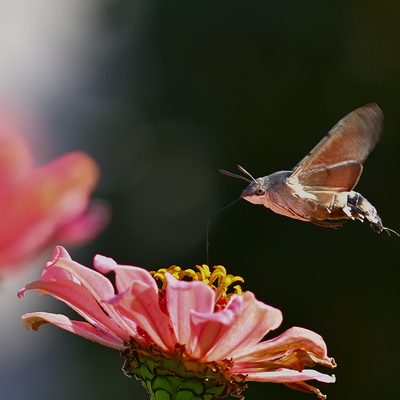
The night shift of the pollinator world. While butterflies rest, moths take over, pollinating pale, fragrant flowers that open at dusk. Hawk moths can hover like hummingbirds and have tongues up to 12 inches long. Without moths, many night-blooming wildflowers, including evening primrose and moonflowers, couldn't reproduce.
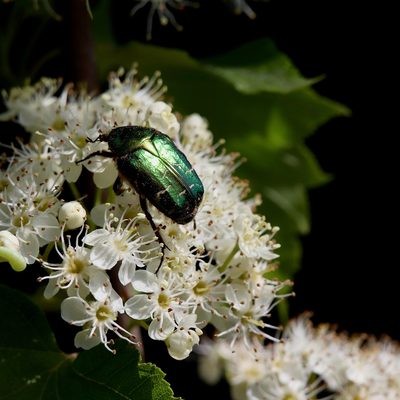
Beetles were pollinating flowers 150 million years before bees even existed — they're the original pollinators. They tend to visit large, open flowers like magnolias, water lilies, and goldenrod. They're messy eaters, chewing through petals and pollen alike, but their sheer numbers make them effective. About 88% of all flowering plants depend on animal pollination.
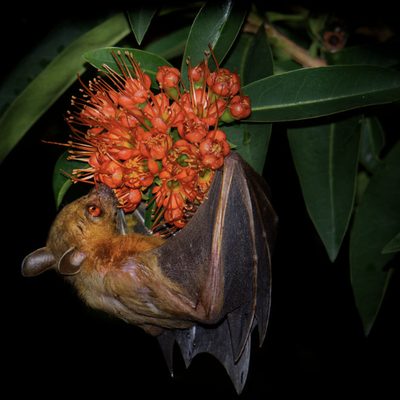
Over 500 plant species depend on bats for pollination, including agave (the plant that gives us tequila). Nectar-feeding bats have long tongues and hover at flowers in the dark, pollinating large, pale blooms that open at night. In the desert Southwest, bats are critical for pollinating saguaro cacti and other iconic desert plants.
Often overlooked, wasps and hoverflies are important pollinators too. Hoverflies — which mimic bees but can't sting — are among the most effective flower visitors in gardens. Wasps pollinate figs, orchids, and many wildflowers. Together, flies and wasps pollinate about 30% of the crops and wildflowers that bees don't cover.
Every wildflower seed you scatter creates a lifeline for pollinators. Native wildflowers provide the nectar and pollen that bees and butterflies depend on — especially in urban and suburban areas where natural habitat is disappearing. A single wildflower patch can support dozens of pollinator species.
Here's how your Scatter Project seed packs help pollinators thrive:
Nature is full of surprises. Here are some of our favorites.
A honey bee produces only 1/12th of a teaspoon of honey in its entire lifetime — that jar of honey represents the life's work of thousands of bees.
Bees fly at about 15 miles per hour and their wings beat 200 times per second. That buzzing sound? It's literally their wings vibrating the air around them.
Bees can see ultraviolet light that's invisible to humans. Flowers have UV "landing strips" — hidden patterns that guide bees straight to the nectar.
Pollinators are responsible for 1 out of every 3 bites of food we eat. Without them, no apples, almonds, blueberries, chocolate, or coffee.
Bees do sleep — about 5 to 8 hours a day. Older forager bees sleep at night, while younger bees take naps between tasks. Some even sleep inside flowers.
A bee's brain is the size of a sesame seed, yet they can count, recognize human faces, understand the concept of zero, and learn by watching other bees.
A queen bee can lay up to 2,000 eggs per day — more than her own body weight in eggs. She's the only bee in the colony that can live up to 5 years.
70% of native bees nest in the ground, not in hives. That bare patch of dirt in your garden? It might be prime real estate for a solitary bee family.
A single bee colony can pollinate 300 million flowers every single day. That's why losing even one hive has a massive ripple effect on local ecosystems.
If you spot a bee on the sidewalk, in the grass, or on your porch and it's still moving slowly — it's probably just exhausted or dehydrated, not dying. Bees can run out of energy mid-flight, especially in hot weather, after long foraging trips, or when flowers are scarce. A tired bee will sit still with its wings folded and legs tucked, barely reacting — but it's still alive.
A dehydrated bee just needs a chance to recover. If it's in a dangerous spot like a sidewalk or road, gently move it to a nearby flower or a shaded area using a piece of paper or a leaf. Don't assume it's gone — that little bee might just need a moment.
Something to help is on the way. Stay tuned.
Every seed pack you scatter creates a buffet for bees, butterflies, and beyond.